
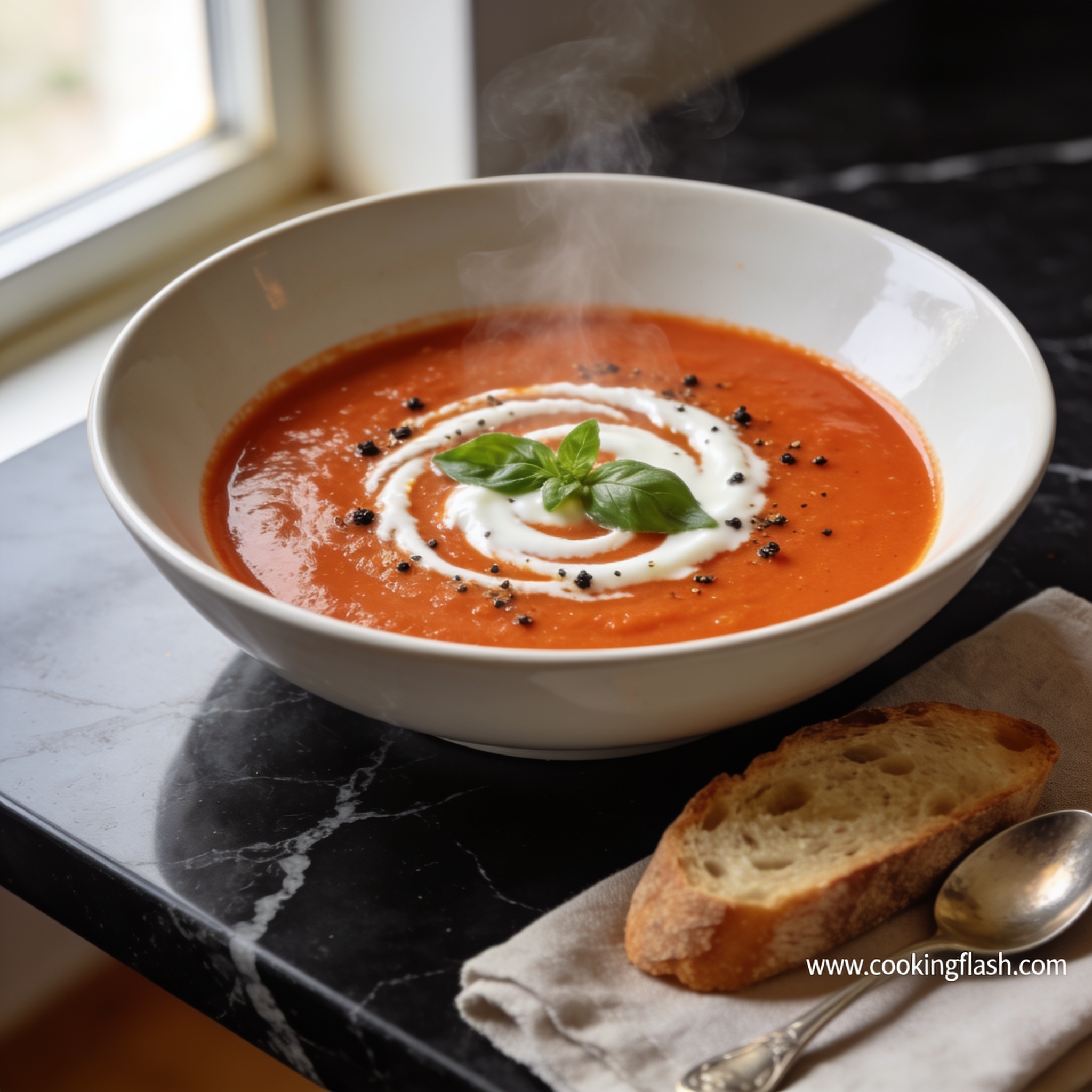
What Is high protein creamy tomato soup with coconut milk?
High protein tomato soup is the one meal I crave when I want comfort food that actually keeps me full until dinner. This isn’t the thin, watery soup from a can that leaves you hungry an hour later. We’re talking about a velvety, rich bowl that combines the tang of tomatoes with the subtle sweetness of coconut milk, plus a secret protein boost that transforms this from a side dish into a complete meal.
I used to think tomato soup had to be paired with a grilled cheese sandwich to be filling. That was before I discovered the magic of blending legumes directly into the base. Now I can enjoy a bowl of this creamy high protein tomato soup on its own and feel completely full. The coconut milk adds a luxurious mouthfeel that makes this feel indulgent, while the hidden protein sources make it practical for anyone watching their macros.
When I first started developing this high protein tomato soup, I was skeptical that beans could really disappear into the broth. I thought I’d end up with a gritty, beige mixture that tasted like chili gone wrong. Instead, I discovered that white beans transform into something silky and rich when blended with tomatoes. Now this high protein tomato soup is the recipe I recommend to every friend who complains about being hungry after plant-based meals.
I discovered this version last winter when I was trying to eat more plant-based meals but kept finding myself raiding the pantry at 3 PM. Regular tomato soup just wasn’t cutting it. I started experimenting with white beans and lentils, blending them right into the base until the texture turned silky smooth. The first time I served this high protein tomato soup to my husband, he didn’t even realize there were beans in it. He just kept asking why this soup felt so much more substantial than the usual recipe.
The turning point came when I brought leftovers to work for lunch. Usually, I’m starving by 4 PM after having soup for lunch, but that day I felt energized and focused right through until dinner. I knew I’d found something special. Now I make this high protein tomato soup at least twice a month, doubling the batch so I always have containers ready in the freezer.
Now it’s become my go-to lunch prep. I make a big batch of this high protein tomato soup on Sunday and portion it into glass containers for the week. It pairs beautifully with a slice of crusty bread or a simple side salad. If you’re looking for other high-protein meal ideas to round out your week, my high protein chickpea and spinach salad uses similar pantry staples and keeps just as well in the fridge.
Why Does This high protein tomato soup Recipe Actually Work?
- The protein is invisible in this high protein tomato soup. When you blend white beans or lentils directly into the soup, they dissolve into the tomato base completely. You get all the nutrition without any gritty texture or beany flavor. Even my bean-suspicious children eat this without complaint.
- Coconut milk provides the right fat profile. Unlike heavy cream, which can feel heavy and greasy, coconut milk adds richness while keeping the soup light enough for lunch. A one-cup serving of high protein creamy tomato soup made with coconut milk and white beans or lentils provides approximately 12-15g of protein and healthy fats from the coconut milk that support nutrient absorption.
- Acid balance matters. Tomatoes are naturally acidic, which can sometimes make dairy-based soups curdle or separate when reheated. Coconut milk is stable at higher temperatures and won’t separate when simmered with acidic ingredients. This means your leftovers taste just as good as the fresh batch.
- Fiber plus protein equals lasting fullness. The combination of protein from legumes and fiber from both the beans and tomatoes creates a nutritional profile that stabilizes blood sugar better than traditional tomato soup with grilled cheese. You won’t experience that energy crash an hour after eating this high protein tomato soup.
- Pantry-friendly ingredients. Everything in this recipe comes from cans or dry goods, making it budget-friendly and accessible even when you haven’t been to the store in weeks. No fresh tomatoes required means you can make this high protein tomato soup year-round with consistent results.
What You’ll Need
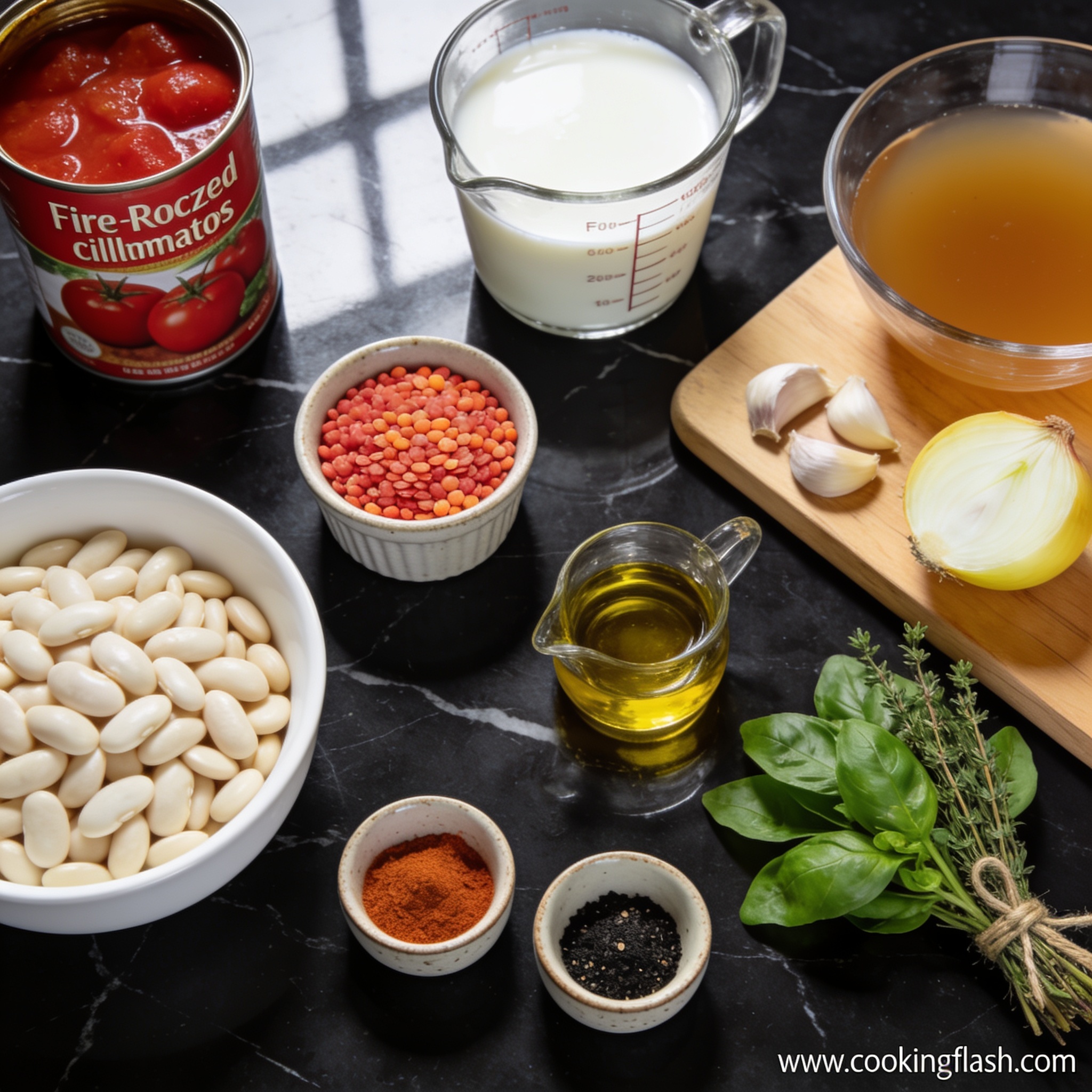
- Olive oil: 2 tablespoons
- Yellow onion: 1 large, diced
- Garlic cloves: 4, minced
- Tomato paste: 2 tablespoons
- Canned crushed tomatoes: 28 ounces (1 can)
- Vegetable broth: 3 cups
- Coconut milk: 1 can (13.5 ounces), full-fat
- White beans (cannellini or navy): 1 can (15 ounces), drained and rinsed
- Red lentils: ½ cup (optional, for extra protein)
- Dried basil: 1 teaspoon
- Dried oregano: 1 teaspoon
- Salt and black pepper: to taste
- Fresh basil: for garnish
The white beans are the secret weapon here. Adding pureed white beans, lentils, or Greek yogurt to creamy tomato soup creates a velvety texture while significantly boosting protein content without altering the classic flavor profile. I prefer cannellini beans because they’re naturally creamy and have a mild flavor that disappears into the background of the tomatoes. If you only have chickpeas on hand, those work too, though they create a slightly nuttier flavor that I personally enjoy in this high protein tomato soup.
How to Make high protein creamy tomato soup with coconut milk
Step 1: Sauté the aromatics
Heat the olive oil in a large pot or Dutch oven over medium heat. Add the diced onion with a pinch of salt and cook for 5-6 minutes until soft and translucent. You want the onions to sweat and release their sweetness, which builds the foundation of flavor for this high protein tomato soup. Stir occasionally to prevent browning, though a little caramelization adds nice depth. Add the minced garlic and tomato paste, stirring constantly for about 1 minute until the paste darkens slightly and smells fragrant. This step concentrates the tomato flavor and removes any metallic taste from the canned paste.
Step 2: Simmer the base
Pour in the crushed tomatoes and vegetable broth, scraping up any browned bits from the bottom of the pot. These browned bits contain concentrated flavor that will enrich your final soup. Add the dried basil and oregano. If you’re using red lentils for extra protein, add them now so they have time to break down completely into the broth. Bring the mixture to a gentle boil, then reduce heat to low and simmer uncovered for 20 minutes. The high protein tomato soup should thicken slightly and the raw tomato taste should mellow into something deeper and sweeter. Stir occasionally to prevent sticking, especially if you’ve added lentils.
Step 3: Blend in the protein
Remove the pot from heat and add the drained white beans. Use an immersion blender directly in the pot for the easiest cleanup, or carefully transfer the soup to a countertop blender in batches. If using a countertop blender, remove the center cap from the lid and cover with a towel to allow steam to escape safely. Blend until completely smooth and velvety, which usually takes 1-2 minutes of continuous blending. If the soup seems too thick, you can thin it with a splash of additional broth. The beans should completely disappear into the soup, leaving no chunks behind. Taste at this stage to check for seasoning before adding the coconut milk to your high protein tomato soup.
Step 4: Finish with coconut milk
Return the blended soup to low heat if it has cooled. Stir in the full-fat coconut milk, warming the soup gently for 3-5 minutes. Do not let it boil vigorously at this stage, as extreme heat can sometimes cause coconut milk to separate or become grainy. The soup should take on a beautiful orange-pink hue and smell subtly tropical. Taste and adjust seasoning with salt and pepper. The high protein tomato soup should be creamy, slightly sweet, and have a rich mouthfeel that coats the back of your spoon. If it tastes too acidic, add a pinch of sugar or a bit more coconut milk to balance the tomatoes.
Step 5: Serve immediately
Ladle the hot soup into bowls and garnish with fresh basil leaves. A drizzle of additional coconut milk on top creates a nice visual contrast and adds extra richness. This high protein tomato soup is best served hot, though it reheats beautifully for leftovers. The flavors actually improve after a day in the fridge as the garlic and herbs meld together. For an extra protein boost, you can top with hemp seeds or a swirl of Greek yogurt if you’re not keeping it dairy-free.
What Makes This high protein tomato soup Different?
- No dairy needed. Traditional creamy tomato soups rely on heavy cream or half-and-half, which can cause issues for lactose-intolerant diners and add saturated fat without protein benefits. The coconut milk provides healthy fats while keeping this completely plant-based and suitable for vegans.
- Hidden nutrition. Unlike chunky minestrone or bean soups where the legumes are obvious, this soup blends everything into a smooth consistency that even picky eaters will accept. My kids have no idea they’re eating beans when I serve this high protein tomato soup, and I don’t plan on telling them anytime soon.
- Meal prep friendly. This soup holds up better than dairy-based versions, which can sometimes separate or develop an odd texture when reheated. The coconut milk stays emulsified, and the protein content means you’re not hungry again in an hour looking for snacks.
- Cost effective. Using canned tomatoes and dried beans keeps the cost per serving under $2, especially compared to buying pre-made high protein tomato soup at the grocery store or adding expensive protein powders to food. A can of beans costs less than a dollar but transforms this soup nutritionally.
How to Store and Reheat
Let the high protein tomato soup cool completely before transferring to storage containers. I prefer glass mason jars or BPA-free plastic containers with tight-fitting lids. Fill containers leaving about an inch of space at the top for expansion. The soup will keep in the refrigerator for up to 5 days, though I find it tastes best within the first 3 days when the fresh basil flavor is still vibrant.
For freezing, this high protein tomato soup freezes exceptionally well due to the lack of dairy. Leave about an inch of headspace in the container as the liquid will expand when frozen. Freeze for up to 3 months. Label the containers with the date so you can rotate your stock. Thaw overnight in the refrigerator before reheating for the best texture.
To reheat, warm the soup gently on the stovetop over medium-low heat, stirring occasionally. If you’re using the microwave, heat in 1-minute intervals, stirring between each, to prevent hot spots that can scorch the bottom. The high protein tomato soup may thicken considerably in the fridge as the starches from the beans set, so thin it with a splash of broth or water when reheating if needed to return it to that perfect creamy consistency.
Can You Make high protein creamy tomato soup with coconut milk Ahead of Time?
This high protein tomato soup is actually better the next day, making it ideal for meal prep and entertaining. I often make a double batch on Sunday afternoon and portion it into individual containers for lunches throughout the week. The flavors need time to marry, so letting it sit overnight allows the garlic, herbs, and tomato to blend into a more cohesive, restaurant-quality taste.
If you’re planning to serve this for dinner guests, you can make it up to 2 days ahead. Store the high protein tomato soup in the pot in the refrigerator, then gently reheat on the stove when ready to serve. Just wait to add the fresh basil garnish until right before serving, as it can wilt and darken if added too early. You can also prepare the soup through the blending step, then add the coconut milk when reheating if you want the freshest possible taste.
For a complete meal prep setup, pair this soup with my air fryer quinoa bowl for dinner variety during the week. Both recipes use similar ingredients but offer completely different flavor profiles so you don’t get bored eating the same thing every day. The quinoa bowl adds texture contrast to the smooth high protein tomato soup.
Variations Worth Trying
- Spicy Harissa Version: Stir in 2 tablespoons of harissa paste when adding the tomato paste for a North African-inspired kick that complements the coconut milk beautifully. This variation of high protein tomato soup pairs well with toasted pine nuts for crunch.
- Mediterranean Style: Add 1 teaspoon of smoked paprika and finish with a dollop of tahini swirled on top instead of the coconut milk drizzle. Sprinkle with za’atar seasoning before serving this high protein tomato soup.
- Extra Protein Boost: Stir in 1 cup of shredded rotisserie chicken after blending for a non-vegetarian version that pushes the protein content above 25 grams per serving.
- Curried Tomato: Add 1 tablespoon of curry powder and a pinch of cayenne when sautéing the onions for an Indian-inspired twist that pairs naturally with the coconut milk base. Garnish this high protein tomato soup with cilantro instead of basil.
What to Serve With high protein creamy tomato soup with coconut milk?
- Grilled sourdough: A thick slice of sourdough bread, rubbed with a raw garlic clove and grilled until crisp, provides the perfect vehicle for dipping into this creamy high protein tomato soup. The chewy texture contrasts nicely with the smooth soup.
- Simple green salad: A salad with lemon vinaigrette cuts through the richness of the coconut milk. Try my high protein chickpea and spinach salad for a double protein hit that keeps you full for hours.
- Roasted vegetables: A side of roasted broccoli, cauliflower, or Brussels sprouts adds texture contrast and additional fiber to round out the meal. The caramelized edges of roasted vegetables complement the sweetness of this high protein tomato soup.
- Savory muffins: Cornbread or savory cheese muffins (if you’re not dairy-free) make this soup feel like a complete comfort food dinner. I like to make mini muffins that fit perfectly on the side of a soup bowl alongside the high protein tomato soup.
Frequently Asked Questions About high protein creamy tomato soup with coconut milk
How do I add protein to tomato soup without meat?
The easiest way is to blend white beans, lentils, or chickpeas directly into the soup base. When pureed, they create a smooth texture while adding 12-15 grams of protein per serving without changing the flavor of your high protein tomato soup. You can also stir in Greek yogurt at the end for a tangy, high-protein finish, or add hemp seeds as a garnish for extra amino acids and a nutty crunch.
Can I use coconut milk instead of heavy cream in tomato soup?
Yes, coconut milk is an excellent one-to-one substitute for heavy cream in tomato soup. It provides similar richness and body while keeping the recipe dairy-free and vegan. Full-fat coconut milk works best for that velvety texture, though light coconut milk will work if you prefer a thinner soup with less fat. The subtle coconut flavor actually enhances the natural sweetness of the tomatoes in this high protein tomato soup.
What is the best protein source to add to tomato soup?
White beans (cannellini or navy) are the best option because they blend into the smoothest consistency without adding noticeable flavor or grittiness. Red lentils are another excellent choice as they break down completely when cooked and practically disappear into the broth. For non-vegetarian options, collagen peptides or unflavored protein powder can be stirred in after cooking without affecting the taste, though I prefer whole food sources in my high protein tomato soup.
Is creamy tomato soup with coconut milk dairy-free?
Yes, as long as you don’t add any cheese or yogurt garnishes, this soup is completely dairy-free and vegan. The coconut milk provides the creamy texture that dairy cream usually supplies. Always check your vegetable broth to ensure it doesn’t contain any hidden milk products if you’re strictly avoiding dairy. Many store-bought broths are accidentally vegan, but it’s worth reading the label when preparing this high protein tomato soup.
How long does high protein tomato soup last in the fridge?
Properly stored in an airtight container, this soup lasts 4-5 days in the refrigerator. The high acid content from the tomatoes and the stability of coconut milk help it stay fresh longer than dairy-based cream soups, which can sour more quickly. If you’ve added chicken or other meat to your high protein tomato soup, reduce that time to 3 days for food safety. Always smell the soup before reheating if it’s been more than 3 days.
This high protein tomato soup has become my weekly staple for busy lunches and light dinners. The combination of creamy coconut milk and hidden white beans creates a bowl that fulfills cravings while keeping me energized through the afternoon slump. Try it this week and let me know if your family can guess the secret protein ingredient.
High Protein Creamy Tomato Soup with Coconut Milk
A velvety, dairy-free tomato soup packed with 12-16g protein per serving using blended white beans and coconut milk. Ready in 35-45 minutes.
Ingredients
- 2 tablespoons olive oil
- 1 large yellow onion, diced
- 4 garlic cloves, minced
- 2 tablespoons tomato paste
- 28 ounces canned crushed tomatoes (1 can)
- 3 cups vegetable broth
- 13.5 ounces full-fat coconut milk (1 can)
- 15 ounces white beans (cannellini or navy), drained and rinsed
- 1/2 cup red lentils (optional)
- 1 teaspoon dried basil
- 1 teaspoon dried oregano
- Salt and black pepper to taste
- Fresh basil for garnish
Instructions
- 1. Heat olive oil in a large pot over medium heat. Add diced onion and cook 5-6 minutes until soft. Add garlic and tomato paste, stirring for 1 minute until fragrant.
- 2. Add crushed tomatoes, vegetable broth, dried basil, oregano, and red lentils if using. Bring to a gentle boil, then reduce heat and simmer uncovered for 20 minutes.
- 3. Remove from heat and add white beans. Blend until completely smooth using an immersion blender or countertop blender.
- 4. Return to low heat and stir in coconut milk. Warm gently for 3-5 minutes without boiling. Season with salt and pepper.
- 5. Serve hot garnished with fresh basil leaves.
Notes
- For extra protein, add 1/2 cup red lentils during the simmering step.
- Soup thickens as it cools; thin with broth when reheating.
- Freezes well for up to 3 months.