
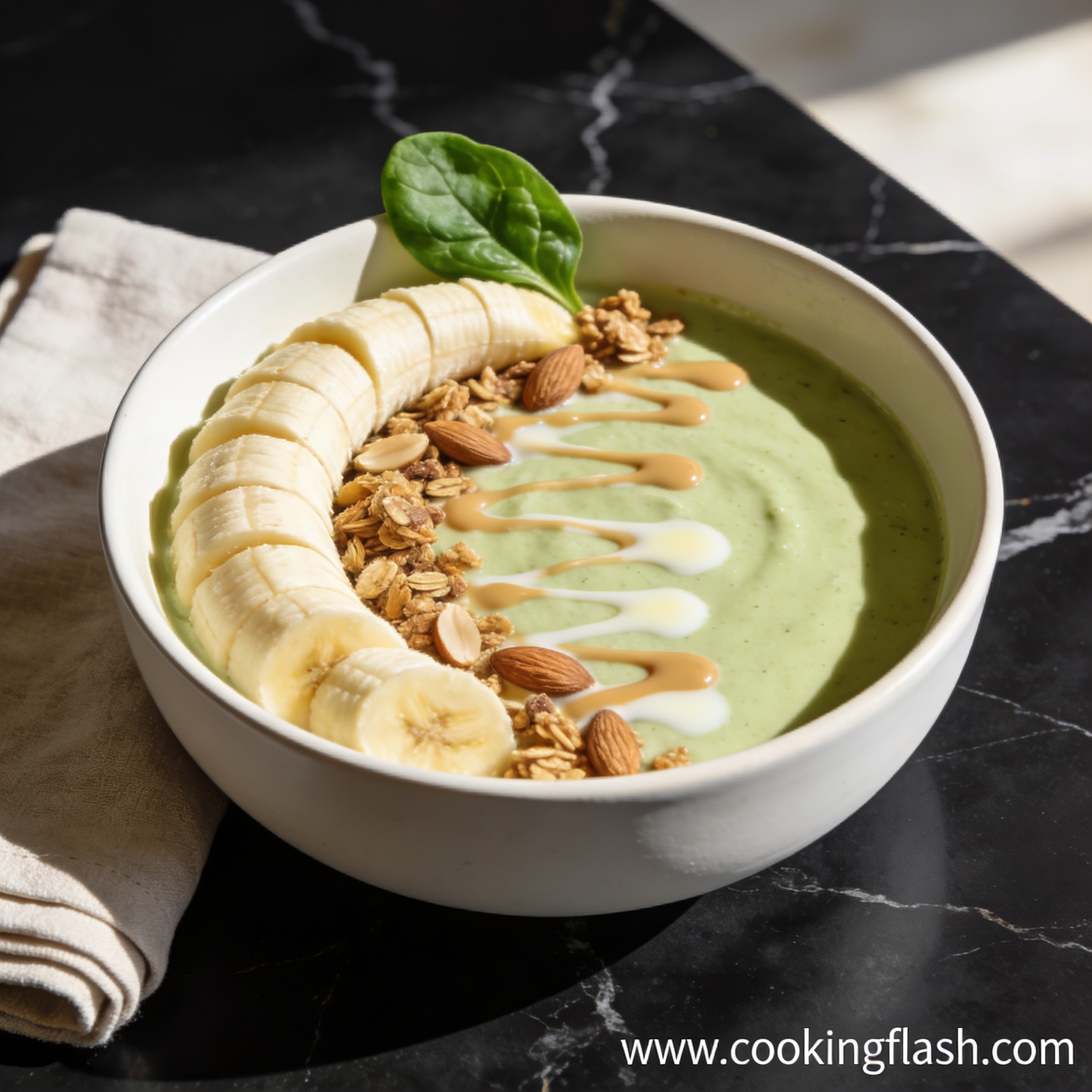
The High Protein Smoothie Bowl You’ll Make Every Single Week
What Is high protein smoothie bowl with almond milk and vanilla?
High protein smoothie bowl recipes used to intimidate me with their long ingredient lists and complicated toppings that required a culinary degree to arrange aesthetically, until I realized I could build something better with just five core ingredients and a standard blender. This isn’t one of those Instagram bowls that takes 45 minutes to photograph and five minutes to eat before melting into a soup. It’s a real breakfast for real mornings when you need substantial fuel but refuse to compromise on flavor or spend your entire food budget on acai packets and edible flowers.
I started making this bowl three years ago during a frantic period of early morning gym sessions and back-to-back Zoom calls that left me exhausted by 10 AM. I was tired of chewing eggs but needed something that would keep me full until lunch without the sugar crash of standard breakfast cereals or the expense of daily coffee shop runs. After countless experiments with different liquid bases ranging from coconut water to oat milk, I landed on unsweetened almond milk as the foundation because it blends smoothly without adding unnecessary calories or competing flavors that mask the vanilla.
The vanilla component came later when I discovered that high-quality vanilla protein powder does more than just add protein—it rounds out the sharp edges of frozen banana and raw spinach in a way that makes the whole bowl taste like dessert while delivering serious nutrition. My husband, who typically grabs a granola bar on his way out the door and calls it breakfast, now sets his alarm ten minutes earlier specifically for this bowl. Even my teenager, who treats most healthy food with deep suspicion and usually asks “what’s in this?” before taking a bite, requests it before soccer practice without interrogating the ingredient list. When I’m not blending smoothies, I’m usually cooking high-protein dinners like The High Protein Chicken Stroganoff You’ll Make Every Single Week, but this breakfast has become the consistent anchor of my morning routine that I genuinely look forward to instead of viewing as a chore.
Why Does This high protein smoothie bowl Recipe Actually Work?
- The combination of fast-absorbing whey and slow-digesting casein from Greek yogurt creates a steady release of amino acids that keeps hunger at bay for hours rather than the quick spike and crash you get from fruit alone
- Frozen bananas provide natural sweetness and a thick, ice-cream-like texture without needing ice that waters down the flavor or creates those annoying crunchy shards that hurt sensitive teeth
- One cup of almond milk contains approximately 1.5g of protein, 3.5g of fat, and 40 total calories, making it an ideal low-calorie base that doesn’t compete with other flavors while providing vitamin E and a creamy mouthfeel
- For a nutritious start to your day, try this Berry-Almond Smoothie Bowl from EatingWell which packs 9 grams of protein per serving and blends perfectly with almond milk.
- The vanilla extract enhances the perception of sweetness without extra sugar, working synergistically with the protein powder to mask any chalky aftertaste that often ruins protein-heavy drinks
- The fat from almond butter signals satiety to your brain, ensuring you don’t experience the hollow hunger that comes from pure carbohydrate meals common in standard smoothie recipes
What You’ll Need
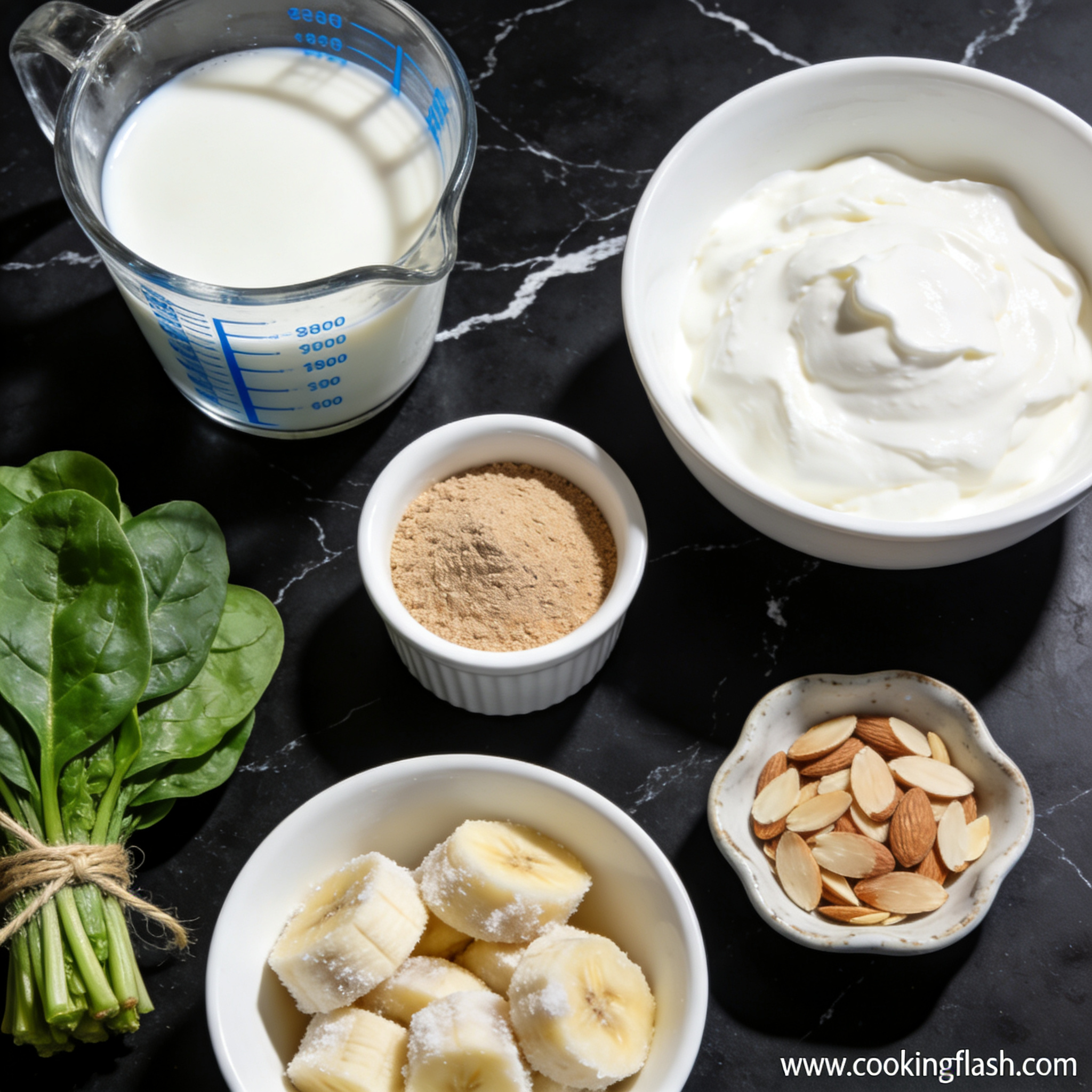
- 1 cup unsweetened almond milk (the vanilla variety works too, but watch added sugars)
- 1 scoop vanilla protein powder (about 25-30g protein per scoop)
- 1/2 cup plain Greek yogurt (2% or full-fat for creaminess)
- 1 frozen banana, sliced into coins before freezing
- 1 tablespoon almond butter (for healthy fats and staying power)
- 1/2 teaspoon pure vanilla extract
- 1 cup fresh spinach (optional but recommended—you won’t taste it)
- Toppings: 2 tablespoons sliced almonds, 1/4 cup fresh berries, 1 tablespoon unsweetened coconut flakes
The almond milk matters more than you’d think in this equation. I’ve tried this recipe with oat milk, which tasted too starchy, and coconut water, which made the whole bowl too thin and tropical when I wanted vanilla-forward flavor. Almond milk provides that neutral canvas that lets the vanilla shine while keeping calories in check. The frozen banana is genuinely non-negotiable—it’s what transforms a thin smoothie into a thick bowl that holds your toppings instead of letting them sink to the bottom like stones in a pond. Fresh banana simply won’t achieve the same texture no matter how much ice you add.
How to Make high protein smoothie bowl with almond milk and vanilla
Step 1: Freeze Your Banana Properly
Peel and slice your banana into half-inch coins before freezing them flat on a baking sheet lined with parchment paper for at least two hours or overnight. This prevents the pieces from clumping together into a solid frozen mass that will burn out your blender motor or force you to add too much liquid to get things moving. I keep a gallon-sized ziplock bag of pre-sliced frozen bananas in my freezer at all times so I’m never more than two minutes away from breakfast, even on the most chaotic mornings. If your blender struggles with frozen fruit or you have a less powerful motor, let the slices sit on the counter for exactly three minutes while you gather other ingredients; this slight softening makes a huge difference in processing without sacrificing thickness.
Step 2: Blend the Base Ingredients
Add the almond milk to your blender first, followed by the vanilla protein powder, Greek yogurt, frozen banana coins, almond butter, vanilla extract, and fresh spinach if using. Adding liquid first creates a vortex effect that pulls the solids down into the blades naturally, eliminating the need to stop and scrape the sides repeatedly with a spatula which wastes time and creates a mess. Blend on high for 45 to 60 seconds until the mixture looks like soft-serve ice cream and you don’t see any green flecks from the spinach floating around. The consistency should be thick enough that a spoon stands upright in the center of the blender without falling over immediately, which is your signal that you’ve achieved the right texture for a bowl rather than a drinkable smoothie.
Step 3: Transfer and Top Strategically
Pour the mixture into a wide, shallow bowl rather than a deep cereal bowl—this gives you maximum surface area for toppings and prevents the smoothie from melting too quickly due to the increased exposure to air. Use a rubber spatula to scrape every bit from the blender jar; this is your protein gold that shouldn’t be wasted down the sink drain. Arrange your sliced almonds, fresh berries, and coconut flakes in distinct sections rather than mixing them in haphazardly, which creates different flavor combinations in each bite and keeps crunchy elements from getting soggy against the wet base. Take a photo if you must, but eat within five minutes for the best texture before the laws of thermodynamics turn your masterpiece back into soup.
What Makes This high protein smoothie bowl Different?
Most smoothie bowls fail because they prioritize aesthetics over satiety, loading up on fruit sugars and granola without enough protein or fat to balance the meal into something substantive. I see people dumping agave nectar or honey into already sweet fruit bases, then wondering why they’re starving an hour later and raiding the vending machine. If you’re looking to switch up your morning routine, this Protein PB & J Smoothie Bowl on Skinnytaste combines almond milk with frozen fruit for a satisfying high-protein breakfast that keeps you full.
Adding Greek yogurt and a scoop of vanilla protein powder can boost your smoothie bowl to over 30-42 grams of protein, which is the equivalent of eating five whole eggs but with better texture, more micronutrients, and none of the sulfur smell that makes eggs unappealing at 6 AM. Another common mistake I see repeatedly is using fresh instead of frozen banana, which results in a soup-like consistency that requires adding ice, thereby diluting the carefully built flavor profile you’ve constructed with quality vanilla and almond butter. Finally, don’t skip the fat source—whether it’s almond butter, chia seeds, or a quarter avocado—that’s what signals to your brain that you’ve consumed a complete meal rather than just a snack, triggering the hormonal response that tells you to stop eating.
How to Store and Reheat
You can’t really reheat a smoothie bowl in the traditional sense without creating a strange, curdled mess that no one wants to eat, but you can absolutely prep components ahead to streamline your morning. Store pre-portioned frozen banana slices in individual freezer bags or silicone reusable bags for up to three months without freezer burn affecting the flavor. Mix your dry protein powder with any collagen peptides, flaxseed, or maca powder you like in small glass containers or mason jars so you just dump and blend without measuring spoons cluttering your counter at dawn. If you accidentally make too much mixture, pour leftovers into a silicone muffin tin and freeze into individual smoothie bombs that you can re-blend later with a splash of fresh almond milk, though the texture won’t be quite as creamy as the original fresh batch due to ice crystal formation.
Can You Make high protein smoothie bowl with almond milk and vanilla Ahead of Time?
I don’t recommend blending the full bowl more than two hours before eating because oxidation starts breaking down the nutrients and the mixture separates into an unappetizing layer of liquid and foam that looks unappealing even if it tastes fine. However, you can prep “smoothie packs” by portioning frozen banana, spinach, and any frozen berries into individual bags on Sunday night and storing them in the freezer. In the morning, dump the contents directly into your blender with fresh almond milk, yogurt, and protein powder for a thirty-second breakfast that’s faster than waiting in a drive-thru line and costs a fraction of the price. These packs last about three months in the freezer, so you can make a month’s worth of breakfasts in one prep session.
Variations Worth Trying
- Chocolate Version: Swap the vanilla protein for chocolate and add one tablespoon of unsweetened cocoa powder with a pinch of instant espresso powder to deepen the chocolate flavor without adding sugar or masking the protein content.
- Tropical Twist: Replace the frozen banana with frozen mango chunks and use coconut milk instead of almond milk, topping with macadamia nuts and toasted coconut flakes for a vacation-worthy breakfast that transports you mentally even if you’re eating at your desk.
- Nut-Free Option: Use sunflower seed butter instead of almond butter and pumpkin seeds for crunch, keeping the protein high while accommodating allergies and school lunchroom restrictions if you’re packing this for kids.
- Green Powerhouse: Double the spinach and add one tablespoon of spirulina powder—the vanilla masks the earthy taste completely while the spirulina adds B12, iron, and a stunning turquoise color that looks impressive on social media.
What to Serve With high protein smoothie bowl with almond milk and vanilla?
- A hard-boiled egg on the side if you need extra protein after a heavy morning workout or weight training session
- Black coffee or green tea—the tannins complement the vanilla notes without competing for attention on your palate
- A slice of whole grain toast with mashed avocado if you need more calories to get through a long morning of meetings or physical labor
- Fresh squeezed orange juice in a small glass, though the smoothie already provides plenty of hydration and vitamin C from the berries
Frequently Asked Questions About high protein smoothie bowl with almond milk and vanilla
Is almond milk good for protein smoothies?
Unsweetened almond milk works well as a low-calorie base, though it only contains about 1.5 grams of protein per cup compared to dairy milk’s eight grams. The real protein power in this recipe comes from your powder and Greek yogurt, but almond milk provides vitamin E and a neutral flavor that doesn’t compete with vanilla or fruit. Just avoid flavored varieties with added sugar, which can add unnecessary calories without nutritional benefit and make the final product cloyingly sweet.
Are smoothie bowls healthy for weight loss?
They can be excellent tools for weight loss, but success depends entirely on portion control and topping choices rather than just the base ingredients. This particular recipe sits around 360 calories with 25-30 grams of protein, which fits well into most weight loss meal plans by providing high satiety per calorie consumed. The danger lies in adding too much granola, honey, or nut butter, which can quickly push a healthy bowl past 600 calories without you realizing it. Weigh your toppings or measure them with a tablespoon to keep portions honest and your goals on track.
What to put in a smoothie with almond milk?
Beyond this recipe’s core ingredients, consider adding chia seeds for additional fiber and omega-3 fatty acids, frozen cauliflower for creaminess without calories or sugar, or a handful of oats for complex carbohydrates that sustain energy through long mornings. Frozen zucchini works surprisingly well as a banana replacement for lower sugar options, and a single date can add sweetness if your protein powder is unsweetened. Just keep the liquid-to-solid ratio at roughly 1:2 to maintain that thick, spoonable texture that defines a bowl versus a drinkable smoothie.
How much protein is in 1 scoop of vanilla protein powder?
Most brands range between 20 to 25 grams per scoop, though some whey isolate formulas hit 30 grams depending on the concentration and processing method. Check your label carefully because scoop sizes vary wildly between brands—some are 25 grams of powder while others are 35 grams, which affects the actual protein content significantly. Plant-based vanilla proteins typically land in the 15-20 gram range due to the nature of pea and rice proteins, so you might need to add hemp hearts or additional Greek yogurt to hit the same protein targets as animal-based versions.
How much protein does a smoothie bowl have?
This specific recipe delivers between 25 to 30 grams of protein depending on your specific brands of yogurt and powder, which represents roughly half the daily recommended intake for an average adult in one satisfying meal. That’s comparable to eating a four-ounce chicken breast, but in a format that’s easier to consume when you’re not in the mood for chewing or cooking meat at breakfast time. Adding Greek yogurt and a scoop of vanilla protein powder can boost your smoothie bowl to over 30-42 grams of protein if you use a high-quality isolate powder and double the yogurt portion for those heavy training days.
This high protein smoothie bowl has become the breakfast I rely on when I need to feed myself well but don’t have the mental bandwidth for cooking, cleaning pans, or making decisions. It takes less time than waiting for coffee to brew, fills me up until lunch without a mid-morning crash, and tastes like something I’d pay twelve dollars for at an overpriced cafe. Try it tomorrow morning and see if it doesn’t become your new daily ritual too.

High Protein Smoothie Bowl with Almond Milk and Vanilla
A thick, creamy smoothie bowl featuring vanilla protein powder and almond milk, topped with fresh berries and almonds for a satisfying high-protein breakfast.
Ingredients
- 1 cup unsweetened almond milk
- 1 scoop vanilla protein powder (25-30g protein)
- 1/2 cup plain Greek yogurt
- 1 frozen banana, sliced
- 1 tablespoon almond butter
- 1/2 teaspoon pure vanilla extract
- 1 cup fresh spinach (optional)
- 2 tablespoons sliced almonds (for topping)
- 1/4 cup fresh berries (for topping)
- 1 tablespoon unsweetened coconut flakes (for topping)
Instructions
- 1. Peel and slice banana into half-inch coins. Freeze flat on a baking sheet for at least 2 hours.
- 2. Add almond milk to blender first, followed by protein powder, Greek yogurt, frozen banana, almond butter, vanilla extract, and spinach if using.
- 3. Blend on high for 45-60 seconds until mixture reaches soft-serve consistency and no green flecks remain.
- 4. Pour into a wide, shallow bowl.
- 5. Top with sliced almonds, fresh berries, and coconut flakes. Serve immediately.
Notes
- For best texture, ensure banana is fully frozen before blending.
- Adjust almond milk amount if mixture is too thick or thin.
- Can substitute sunflower seed butter for almond butter to make nut-free.