
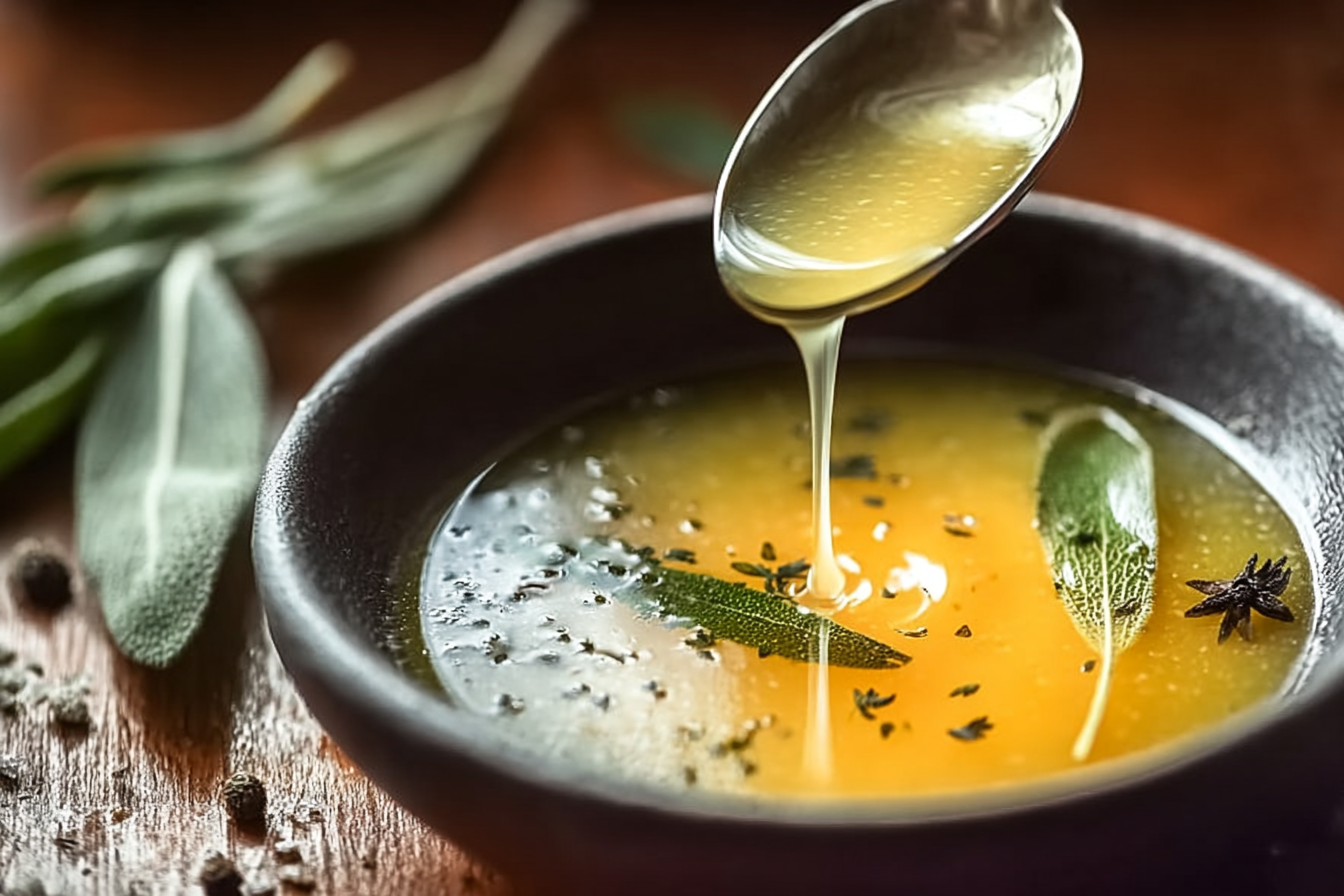
There’s something magical about a sauce that requires just a handful of ingredients yet transforms an ordinary dish into something unforgettable. The moment the butter hits the pan and begins to melt into a golden pool, the aroma of sage rises with a warmth that feels like a hug from the kitchen. This is a sauce that doesn’t shout for attention, but when spooned over pasta, fish, or roasted vegetables, it makes every bite sing with flavor. Trust me, you’re going to love this.
Behind the Recipe
The idea of sage butter sauce comes from a place of comfort and simplicity. I still remember the first time I made it at home, watching my grandmother swirl butter in her well-loved pan while fresh sage leaves crackled gently as they touched the heat. It was always a moment of quiet anticipation, waiting for that nutty aroma to fill the air. This sauce has been my go-to ever since whenever I want to add depth and elegance without fuss.
Recipe Origin or Trivia
Sage butter sauce has strong ties to Italian cuisine, particularly in Northern Italy where butter plays a bigger role than olive oil. One of the most famous pairings is with ravioli di zucca, delicate pasta filled with pumpkin or squash, draped in this aromatic butter. In traditional Italian cooking, sage is revered for its ability to cut through richness, which makes it perfect for sauces like this. It’s a small piece of culinary history that continues to delight kitchens all over the world.
Why You’ll Love Sage Butter Sauce
There are countless reasons this sauce has become a beloved staple, and here are just a few:
Versatile: It works beautifully on pasta, poultry, fish, or even as a drizzle over roasted root vegetables.
Budget-Friendly: With just a few everyday ingredients, you can make a sauce that feels indulgent without being costly.
Quick and Easy: From pan to plate in under 15 minutes, it’s the ultimate weeknight flavor booster.
Customizable: Add garlic, lemon zest, or even a sprinkle of Parmesan for your own signature twist.
Crowd-Pleasing: Its nutty, savory aroma makes it universally loved at the table.
Make-Ahead Friendly: Prepare it slightly ahead and gently rewarm before serving without losing flavor.
Great for Leftovers: Any remaining sauce can be refrigerated and used to brighten up meals the next day.
Chef’s Pro Tips for Perfect Results
The secret to a flawless sage butter sauce lies in the details. Here are my insider tricks:
- Use unsalted butter so you can control the seasoning.
- Cook sage until crisp but not burnt to unlock its full fragrance.
- Keep the heat gentle to prevent the butter from burning and turning bitter.
- Add a splash of pasta water if serving with pasta for a silky, clingy texture.
- Finish with lemon juice for a bright lift that balances richness.
Kitchen Tools You’ll Need
To bring this simple sauce to life, you’ll only need a few basics:
- Skillet: A medium-sized skillet works best for browning butter evenly.
- Wooden spoon or spatula: Helps stir and prevent sticking.
- Small strainer or slotted spoon: Handy for removing sage leaves if desired.
- Measuring spoons: For accuracy with salt, pepper, and lemon juice.
Ingredients in Sage Butter Sauce
Each ingredient here has its place, working together to create a velvety, aromatic sauce.
- Butter: 8 tablespoons (1 stick), unsalted, provides a rich base and nutty flavor.
- Fresh sage leaves: 10 to 12 leaves, add earthy, aromatic depth.
- Garlic: 2 cloves, minced, brings a gentle warmth and complexity.
- Lemon juice: 1 tablespoon, balances richness with a bright citrus note.
- Salt: 1/4 teaspoon, enhances the natural flavors.
- Black pepper: 1/4 teaspoon, freshly ground, adds subtle spice and warmth.
Ingredient Substitutions
Sometimes the pantry calls for flexibility, and this sauce adapts well.
- Butter: Substitute with plant-based butter for a dairy-free version.
- Sage: Try thyme or rosemary for a different herbal profile.
- Garlic: Use shallots for a sweeter, milder flavor.
- Lemon juice: White wine vinegar or apple cider vinegar can provide acidity.
Ingredient Spotlight
Sage: Known as the “herb of immortality” in ancient times, sage has a slightly peppery, woodsy flavor that becomes almost sweet when fried in butter.
Butter: When browned, butter develops nutty, caramel-like notes that give this sauce its signature depth.
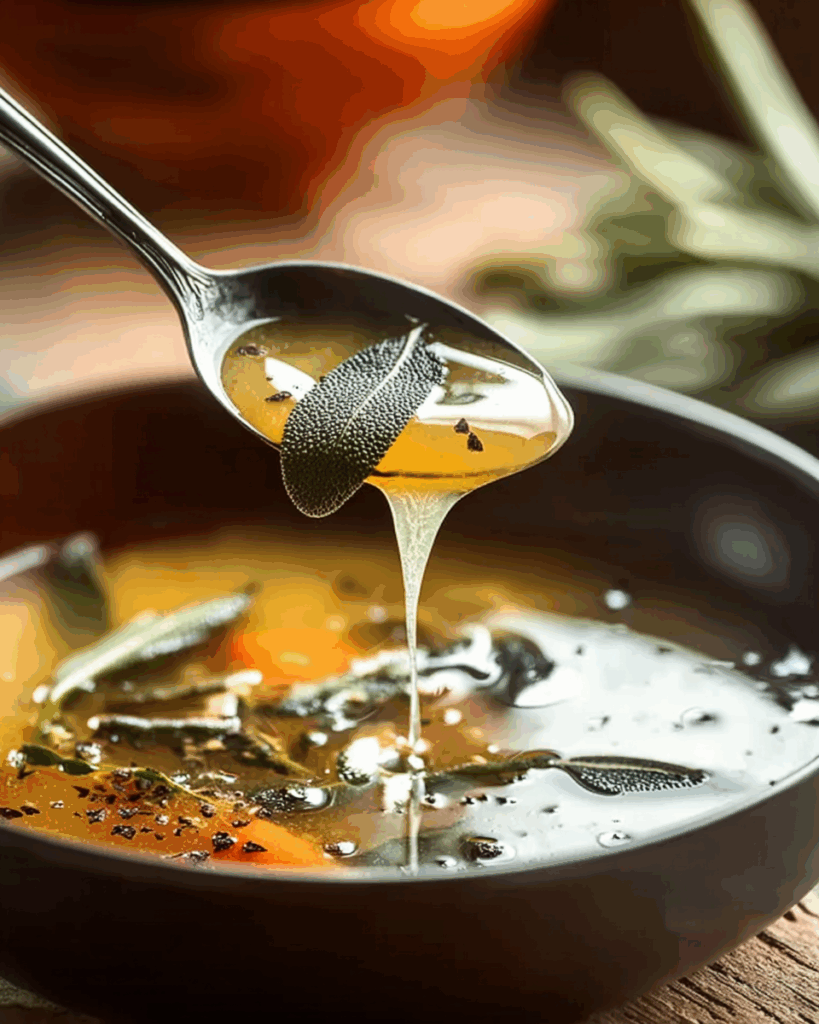
Instructions for Making Sage Butter Sauce
This sauce is a joy to make, quick yet full of sensory pleasures. Let’s walk through it together step by step:
- Preheat Your Equipment: Place a skillet over medium heat and let it warm up.
- Combine Ingredients: Add butter to the skillet and allow it to melt slowly.
- Prepare Your Cooking Vessel: Once the butter is foaming, add the sage leaves and garlic.
- Assemble the Dish: Stir gently as the sage crisps and the garlic turns golden.
- Cook to Perfection: Let the butter continue to cook until it reaches a light golden-brown color, releasing a nutty aroma.
- Finishing Touches: Squeeze in lemon juice, season with salt and pepper, and give it a final stir.
- Serve and Enjoy: Drizzle over your favorite pasta, fish, or roasted vegetables while warm.
Texture & Flavor Secrets
The real magic of this sauce lies in its contrasts. The butter becomes silky and nutty, the sage leaves crisp up to offer a delicate crunch, and the lemon juice cuts through the richness with brightness. Together, they create a layered flavor profile that feels both indulgent and refreshing.
Cooking Tips & Tricks
A few extra nudges will help you get the best out of this sauce:
- Toss the sauce with freshly cooked pasta immediately for the perfect coating.
- Use high-quality butter, as its flavor carries the whole dish.
- Add a sprinkle of Parmesan or Pecorino Romano for an extra savory punch.
What to Avoid
Even simple sauces can go wrong without a little care. Here’s what to watch for:
- Avoid overheating the butter, as it can burn quickly and taste bitter.
- Don’t overcrowd the pan with too many sage leaves, or they won’t crisp properly.
- Resist adding too much lemon juice, as it can overpower the butter’s richness.
Nutrition Facts
Servings: 4
Calories per serving: 210
Note: These are approximate values.
Preparation Time
Prep Time: 5 minutes
Cook Time: 10 minutes
Total Time: 15 minutes
Make-Ahead and Storage Tips
This sauce can be made ahead and stored in the refrigerator for up to 3 days. To reheat, warm gently in a skillet over low heat, adding a splash of water if needed. You can also freeze it in small portions and thaw for quick meals.
How to Serve Sage Butter Sauce
This sauce pairs beautifully with fresh pasta, especially ravioli or gnocchi. It also shines drizzled over roasted chicken, grilled fish, or seasonal vegetables like carrots and squash. For a cozy twist, try it as a dip for crusty bread.
Creative Leftover Transformations
Leftovers are never a problem with this sauce. Toss it with scrambled eggs for a decadent breakfast, use it as a drizzle over mashed potatoes, or stir it into cooked grains like quinoa or farro for an instant flavor upgrade.
Additional Tips
- Always use fresh sage leaves for the best fragrance and flavor.
- A pinch of red pepper flakes can add a gentle kick.
- Keep lemon juice ready but add it at the end to preserve its brightness.
Make It a Showstopper
For a restaurant-style presentation, spoon the sauce over pasta and garnish with whole fried sage leaves. A grating of Parmesan and a light crack of black pepper not only add flavor but also elevate the visual appeal.
Variations to Try
- Nutty Sage Butter: Add toasted pine nuts or walnuts for crunch.
- Garlic-Sage Cream Sauce: Stir in a splash of cream for extra richness.
- Spiced Sage Butter: Infuse with a pinch of nutmeg or cinnamon for a fall-inspired twist.
- Sage Butter with Cheese: Melt in Pecorino Romano for an extra layer of flavor.
FAQ’s
1. Can I make sage butter sauce without garlic?
Yes, the sauce will still taste wonderful with just butter and sage.
2. How do I prevent the butter from burning?
Keep the heat at medium and stir often, removing from heat once golden brown.
3. Can I use dried sage?
Fresh sage is best, but dried can be used sparingly if that’s all you have.
4. Is this sauce vegetarian?
Yes, as long as the butter is dairy-based.
5. Can I make it vegan?
Absolutely, just use plant-based butter.
6. How can I store leftover sauce?
Refrigerate in a sealed container for up to 3 days.
7. Can I freeze sage butter sauce?
Yes, freeze in small portions for up to 2 months.
8. What pasta pairs best with this sauce?
Ravioli, gnocchi, and tagliatelle are excellent choices.
9. Can I double the recipe?
Yes, simply scale up the ingredients while keeping the same ratios.
10. Why is my sauce too acidic?
You may have added too much lemon juice. Balance it with more butter.
Conclusion
Sage butter sauce proves that the simplest recipes often deliver the most joy. In just minutes, you can create a silky, aromatic sauce that turns a plain dish into something memorable. Let me tell you, it’s worth every bite, and once you’ve tried it, it will become a staple in your kitchen too.
Print
Sage Butter Sauce
- Prep Time: 5 minutes
- Cook Time: 10 minutes
- Total Time: 15 minutes
- Yield: 4 servings
- Category: Sauce
- Method: Stovetop
- Cuisine: Italian
- Diet: Vegetarian
Description
A silky, aromatic sage butter sauce that transforms pasta, fish, or vegetables into an elegant and flavorful dish. Quick to make, comforting, and endlessly versatile.
Ingredients
- 8 tablespoons unsalted butter
- 10 to 12 fresh sage leaves
- 2 cloves garlic, minced
- 1 tablespoon lemon juice
- 1/4 teaspoon salt
- 1/4 teaspoon freshly ground black pepper
Instructions
- Preheat Your Equipment: Place a skillet over medium heat and let it warm up.
- Combine Ingredients: Add butter to the skillet and allow it to melt slowly.
- Prepare Your Cooking Vessel: Once the butter is foaming, add the sage leaves and garlic.
- Assemble the Dish: Stir gently as the sage crisps and the garlic turns golden.
- Cook to Perfection: Let the butter continue to cook until it reaches a light golden-brown color, releasing a nutty aroma.
- Finishing Touches: Squeeze in lemon juice, season with salt and pepper, and give it a final stir.
- Serve and Enjoy: Drizzle over your favorite pasta, fish, or roasted vegetables while warm.
Notes
- Use unsalted butter so you can control the salt level.
- Add a splash of pasta water if serving with pasta for a silky texture.
- Fresh sage leaves give the best aroma and crisp texture.
Nutrition
- Serving Size: 1/4 of recipe
- Calories: 210
- Sugar: 0g
- Sodium: 180mg
- Fat: 23g
- Saturated Fat: 14g
- Unsaturated Fat: 8g
- Trans Fat: 0g
- Carbohydrates: 1g
- Fiber: 0g
- Protein: 1g
- Cholesterol: 60mg
… [Trackback]
[…] Read More on that Topic: cookingflash.com/sage-butter-sauce/ […]
… [Trackback]
[…] There you can find 6973 more Info to that Topic: cookingflash.com/sage-butter-sauce/ […]
… [Trackback]
[…] Info to that Topic: cookingflash.com/sage-butter-sauce/ […]