
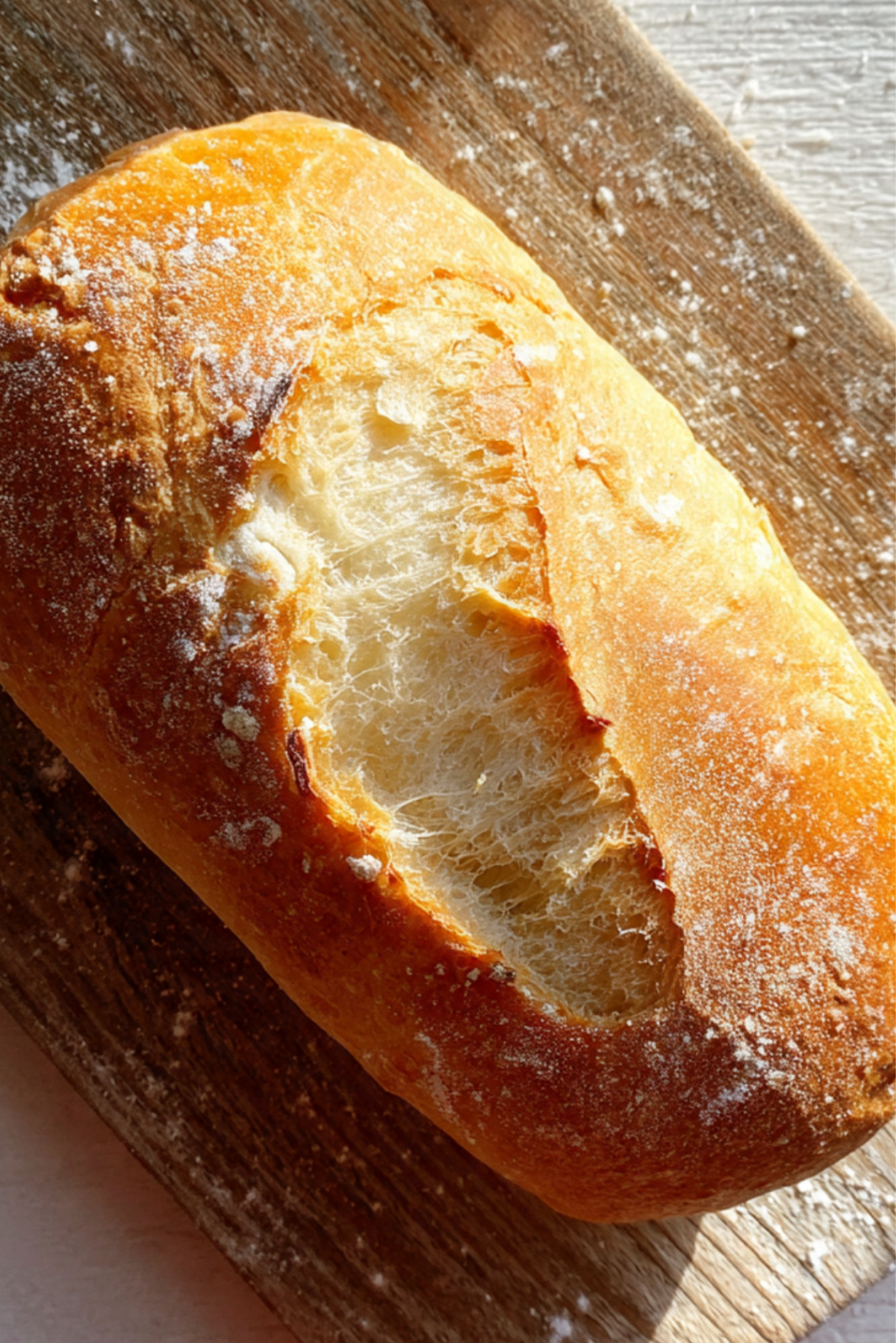
There’s something magical about the smell of fresh bread wafting through the kitchen. The warmth, the comfort, the sense of home it brings — that’s exactly what Italian bread delivers. With its golden crust and soft, pillowy interior, this classic loaf is simple yet deeply satisfying. Whether you’re pairing it with pasta, dipping it in olive oil, or just enjoying it with a slab of butter, Italian bread makes every bite feel like a hug.
Behind the Recipe
I still remember my first attempt at baking Italian bread. Flour dust floated through the air like snow, and my hands worked the dough with nervous excitement. That golden loaf, imperfect as it was, tasted like triumph. Since then, I’ve refined the process, learned its rhythms, and now, it’s my favorite weekend bake — a comforting ritual that fills my home with warmth and anticipation.
Recipe Origin or Trivia
Italian bread, known for its versatility, has roots in various regions of Italy, each bringing its own twist. While northern Italy favors crustier styles, southern regions go for softer, oil-rich loaves. Unlike French baguettes, Italian bread often includes a touch of sugar or oil, giving it a softer crumb and subtle richness. It’s not just a side — it’s a part of the meal, meant to soak up sauces and bring people together around the table.
Why You’ll Love Italian Bread
This rustic loaf is more than just bread. It’s comfort, culture, and connection baked into every slice.
Versatile: Perfect for sandwiches, soups, or simply with olive oil and herbs.
Budget-Friendly: Just a few pantry staples create a whole, hearty loaf.
Quick and Easy: Minimal ingredients and simple steps make it great for beginners.
Customizable: Add herbs, garlic, or cheese to make it your own.
Crowd-Pleasing: Everyone loves freshly baked bread at the table.
Make-Ahead Friendly: Bake it a day ahead and reheat to fresh perfection.
Great for Leftovers: Toast it, grill it, or turn it into garlic bread the next day.
Chef’s Pro Tips for Perfect Results
Making bread is part science, part art — and here are a few secrets I swear by.
- Let the dough rest fully. Don’t rush the rise — time builds flavor and texture.
- Use warm water, not hot, to activate your yeast without killing it.
- A light dusting of flour on top gives it that rustic, artisan look.
- Score the top with a sharp knife to help it expand beautifully in the oven.
- Add a pan of water to the oven for steam — it helps develop that crisp crust.
Kitchen Tools You’ll Need
Before diving into dough, here’s what you’ll want on hand.
Mixing Bowl: For combining and kneading your dough.
Measuring Cups and Spoons: Precision matters in baking.
Wooden Spoon or Dough Hook: For mixing without overworking.
Kitchen Towel: To cover the dough while it rises.
Baking Sheet or Bread Stone: For even baking and crusty results.
Sharp Knife or Bread Lame: To score the dough before baking.
Ingredients in Italian Bread
Every bite of Italian bread tells a story — soft, chewy, golden — and these ingredients bring it all together.
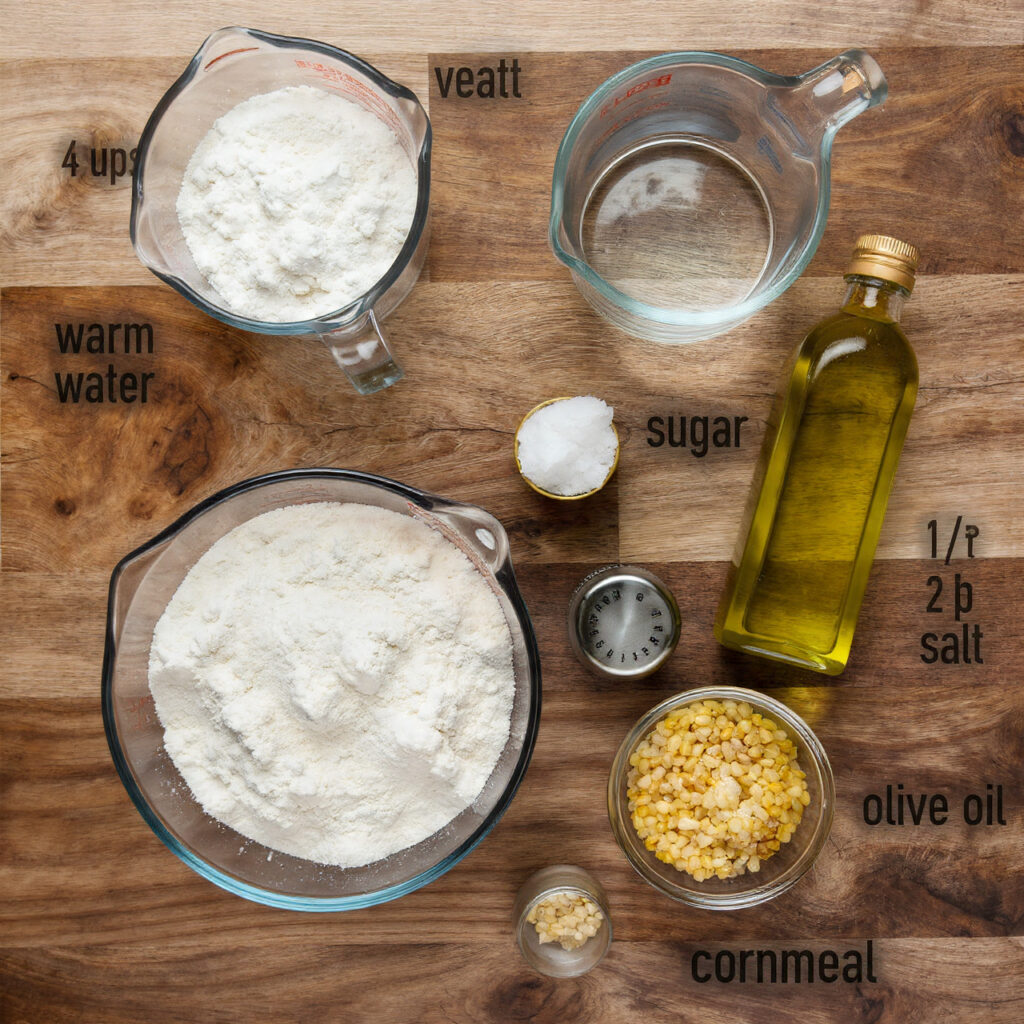
- All-Purpose Flour: 4 cups. The base of the dough, giving structure and softness.
- Warm Water: 1½ cups (about 110°F). Activates the yeast and hydrates the flour.
- Active Dry Yeast: 2¼ teaspoons (1 packet). Helps the dough rise and become airy.
- Sugar: 1 tablespoon. Feeds the yeast and adds subtle sweetness.
- Salt: 1½ teaspoons. Balances the flavor and strengthens the dough.
- Olive Oil: 2 tablespoons. Adds richness and keeps the crumb tender.
- Cornmeal (optional): For dusting the baking sheet, to prevent sticking.
Ingredient Substitutions
Need to make a swap? Here are some simple switches.
All-Purpose Flour: Bread flour for a chewier texture.
Active Dry Yeast: Instant yeast, just reduce rising time slightly.
Olive Oil: Canola or vegetable oil for a neutral flavor.
Sugar: Honey works beautifully for a subtle floral note.
Ingredient Spotlight
Yeast: This tiny powerhouse transforms flour and water into a risen, airy loaf. It’s the magic behind the bread’s texture.
Olive Oil: Adds flavor and moisture, giving the loaf that tender, melt-in-your-mouth bite.
Instructions for Making Italian Bread
This recipe is a journey from a humble mix of flour and water to a golden, crusty loaf that begs to be torn apart.
-
Preheat Your Equipment:
Preheat your oven to 375°F. If using a baking stone, place it inside to heat with the oven. -
Combine Ingredients:
In a large bowl, dissolve sugar in warm water. Stir in yeast and let it sit until foamy, about 5–10 minutes. Add flour, salt, and olive oil. Mix until a sticky dough forms. -
Prepare Your Cooking Vessel:
Lightly oil a bowl and place the dough inside. Cover with a towel and let it rise in a warm place until doubled in size, about 1 hour. -
Assemble the Dish:
Punch down the dough and turn it onto a floured surface. Shape into an oval or round loaf. Place it on a cornmeal-dusted baking sheet. Cover and let it rise again for 30 minutes. -
Cook to Perfection:
Make 2–3 shallow slashes across the top with a sharp knife. Bake for 25–30 minutes, until golden brown and hollow-sounding when tapped. -
Finishing Touches:
Let the bread cool on a wire rack for at least 15 minutes before slicing. -
Serve and Enjoy:
Slice and serve with olive oil, butter, or your favorite soup.
Texture & Flavor Secrets
The real beauty of Italian bread lies in its contrast. The crust crackles under your fingers, while the inside is warm, soft, and slightly chewy. The subtle sweetness from the sugar balances the salt, and the olive oil brings a gentle richness that lingers after every bite.
Cooking Tips & Tricks
Want bakery-quality bread? Here’s how:
- Use bread flour for a chewier interior.
- Brush the loaf with water before baking to boost crust development.
- Add a pan of boiling water to the oven for extra steam.
What to Avoid
Bread is forgiving, but there are a few pitfalls to sidestep:
- Skipping the second rise can lead to dense bread.
- Using water that’s too hot kills the yeast.
- Over-flouring during kneading can dry out the dough.
Nutrition Facts
Servings: 12
Calories per serving: 160
Note: These are approximate values.
Preparation Time
Prep Time: 15 minutes
Cook Time: 30 minutes
Total Time: 2 hours (includes rising time)
Make-Ahead and Storage Tips
Italian bread is easy to prep in advance. Make the dough the night before and let it rise slowly in the fridge. After baking, store the loaf wrapped in a cloth at room temperature for up to 3 days. For longer storage, freeze slices and toast as needed.
How to Serve Italian Bread
Pair slices with a drizzle of balsamic and olive oil, serve with pasta dishes, or use it as a base for bruschetta. Toast it with garlic butter for a savory snack or add it to your next charcuterie board.
Creative Leftover Transformations
Give stale slices a second life:
- Turn into crispy croutons.
- Make savory bread pudding.
- Blend into homemade breadcrumbs.
- Grill for panini sandwiches.
Additional Tips
- Always let the bread rest before slicing to retain moisture.
- Use high-quality olive oil for the best flavor.
- Try dusting the top with a pinch of sea salt for extra crunch.
Make It a Showstopper
Before baking, lightly score the loaf in a decorative pattern. After baking, rub a clove of garlic over the crust for added aroma. Serve on a rustic board with olive oil dip and fresh herbs for visual appeal.
Variations to Try
- Herb Italian Bread: Add dried oregano, basil, and thyme to the dough.
- Cheesy Crust: Sprinkle shredded parmesan on top before baking.
- Whole Wheat Twist: Swap half the flour for whole wheat for a heartier loaf.
- Stuffed Version: Roll with garlic and mozzarella before shaping.
- Mini Rolls: Divide dough into smaller portions for sandwich-ready buns.
FAQ’s
1. Can I use instant yeast instead of active dry?
Yes, just skip the proofing step and mix it directly with the dry ingredients.
2. How do I know the bread is done?
Tap the bottom — it should sound hollow and look deeply golden.
3. Can I freeze Italian bread?
Absolutely. Slice it before freezing for easy single-serve toasting.
4. Can I make this gluten-free?
You can try a 1:1 gluten-free flour, but texture may vary.
5. What’s the purpose of scoring the dough?
It allows steam to escape and helps the bread expand evenly.
6. Why didn’t my dough rise?
Check if your yeast is fresh and if the water was warm, not hot.
7. Can I add herbs or cheese inside?
Totally. Mix-ins like rosemary or grated parmesan work great.
8. What’s the best flour for this bread?
All-purpose works well, but bread flour gives extra chew.
9. Can I bake it in a Dutch oven?
Yes, it traps steam for an extra crusty loaf.
10. Should I use a stand mixer or mix by hand?
Either works. Just be sure the dough is smooth and elastic.
Conclusion
Italian bread is more than just a side dish — it’s an experience. A golden, crusty, aromatic journey from your kitchen to the table. Whether you’re a first-time baker or a seasoned dough whisperer, this recipe delivers that perfect slice every time. Trust me, you’re going to love this.
Print
Italian Bread
- Prep Time: 15 minutes
- Cook Time: 30 minutes
- Total Time: 2 hours
- Yield: 1 large loaf (12 slices)
- Category: Bread
- Method: Baking
- Cuisine: Italian
- Diet: Vegetarian
Description
This classic Italian bread recipe creates a golden, crusty loaf with a soft and airy interior. Perfect for dipping, toasting, or serving alongside your favorite meals.
Ingredients
- 4 cups all-purpose flour
- 1½ cups warm water (about 110°F)
- 2¼ teaspoons active dry yeast (1 packet)
- 1 tablespoon sugar
- 1½ teaspoons salt
- 2 tablespoons olive oil
- Cornmeal (optional, for dusting)
Instructions
- Preheat oven to 375°F. If using a baking stone, place it inside to heat.
- In a large bowl, dissolve sugar in warm water. Stir in yeast and let it sit until foamy, about 5–10 minutes. Add flour, salt, and olive oil. Mix until a sticky dough forms.
- Lightly oil a bowl and place the dough inside. Cover with a towel and let rise in a warm place until doubled in size, about 1 hour.
- Punch down the dough and turn it onto a floured surface. Shape into an oval or round loaf. Place on a cornmeal-dusted baking sheet. Cover and let rise again for 30 minutes.
- Make 2–3 shallow slashes across the top with a sharp knife. Bake for 25–30 minutes, until golden brown and hollow-sounding when tapped.
- Let cool on a wire rack for 15 minutes before slicing and serving.
Notes
- Use bread flour for a chewier texture.
- For extra crust, brush the top with water before baking and place a pan of hot water in the oven to create steam.
- Let the bread cool fully before slicing to keep the inside moist.
Nutrition
- Serving Size: 1 slice
- Calories: 160
- Sugar: 1g
- Sodium: 290mg
- Fat: 3g
- Saturated Fat: 0.5g
- Unsaturated Fat: 2.5g
- Trans Fat: 0g
- Carbohydrates: 28g
- Fiber: 1g
- Protein: 4g
- Cholesterol: 0mg