
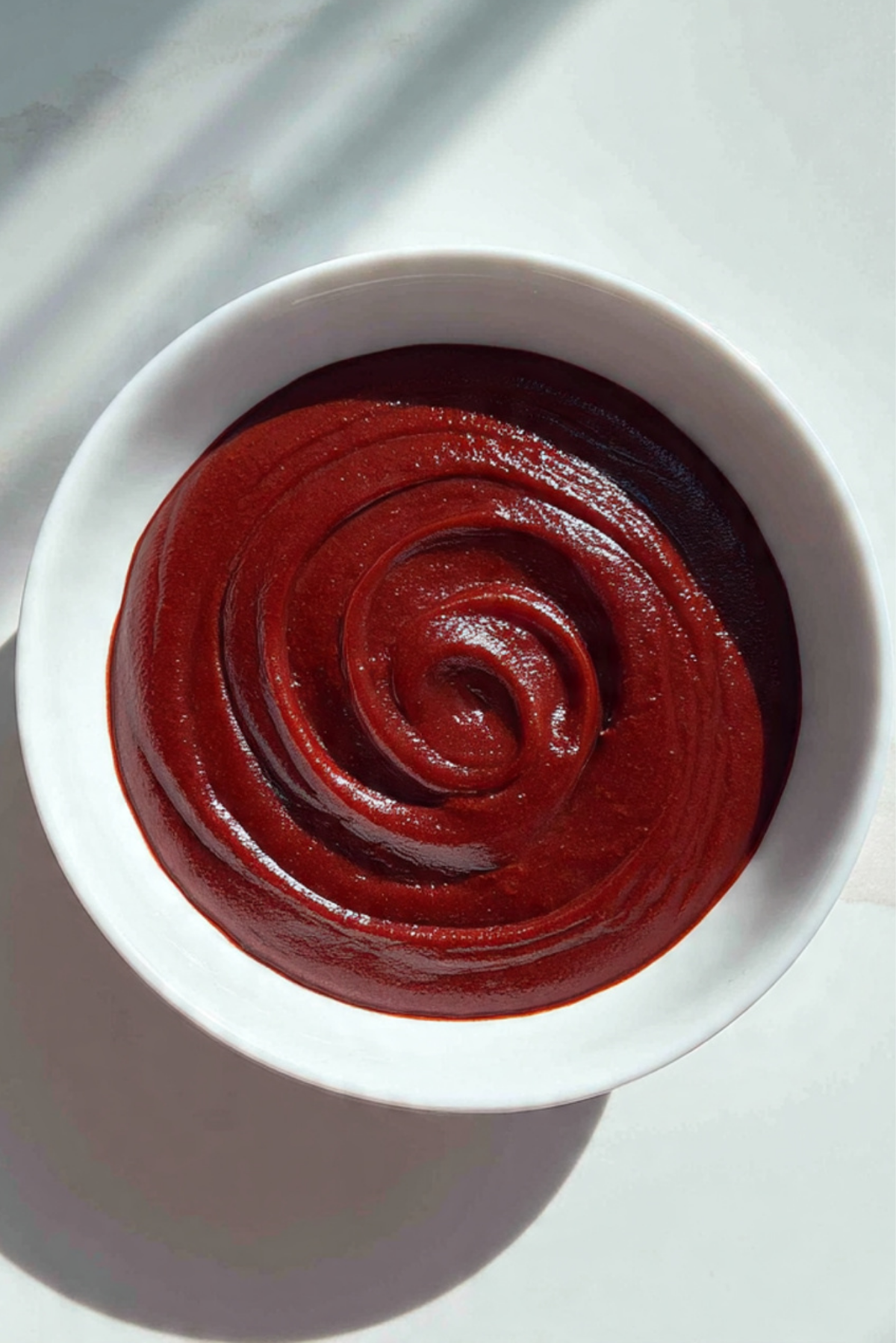
Tomato paste is like culinary gold. Rich, bold, and deeply concentrated, it transforms ordinary dishes into something unforgettable. The aroma of slow-cooked tomatoes simmering down into a thick, jammy spread is one of the most comforting smells in the kitchen. And once you’ve tasted homemade tomato paste, you’ll never go back to the canned stuff again.
Behind the Recipe
Growing up, the kitchen would smell like tomatoes for days at the end of summer. My grandmother would slow-cook baskets of ripe tomatoes into deep red paste, storing them in jars that lasted us through winter. She always said, “This is where the flavor begins,” and she was right. Whether it was stirred into stews or spread onto bread with olive oil, her tomato paste always brought meals to life.
Recipe Origin or Trivia
Tomato paste has deep roots in Mediterranean cooking, especially in Southern Italy where it’s called “conserva di pomodoro.” Traditionally, families would sun-dry cooked tomato purée on wooden boards to create a paste so thick you could slice it. It’s a labor of love that dates back centuries, and even though most of us use ovens or stovetops today, that same timeless process lives on in every jar.
Why You’ll Love How To Make Tomato Paste
Making your own tomato paste is more rewarding than you might think. Here’s why it’s worth every minute:
Versatile: Use it in pasta sauces, soups, stews, pizzas, or even as a spread.
Budget-Friendly: A big batch of tomatoes turns into weeks of flavor with just a bit of effort.
Quick and Easy: While it simmers low and slow, your hands are mostly free.
Customizable: Add garlic, herbs, or spices to make it your own.
Crowd-Pleasing: It’s the flavor base for so many favorites, everyone will taste the difference.
Make-Ahead Friendly: Lasts for weeks in the fridge or months in the freezer.
Great for Leftovers: Use excess tomatoes before they go bad in the most delicious way.
Chef’s Pro Tips for Perfect Results
A little know-how goes a long way when crafting the perfect tomato paste.
- Use super ripe tomatoes. The more flavorful they are, the richer your paste will be.
- Remove as much liquid as possible before cooking to speed up the process.
- A food mill gives the smoothest texture, but a fine mesh strainer works too.
- Slow simmer, don’t rush it. Low heat develops deep, complex flavor.
- Stir often during the last hour to prevent scorching.
Kitchen Tools You’ll Need
Making tomato paste is a simple process, but the right tools make it even smoother.
Large Pot: For boiling and reducing the tomatoes.
Blender or Food Processor: To purée the cooked tomatoes.
Fine Mesh Strainer or Food Mill: To remove seeds and skins.
Baking Sheet: For oven reduction if using the roasting method.
Spatula or Spoon: For stirring and scraping down the paste.
Jars or Containers: For storing your finished paste.
Ingredients in How To Make Tomato Paste
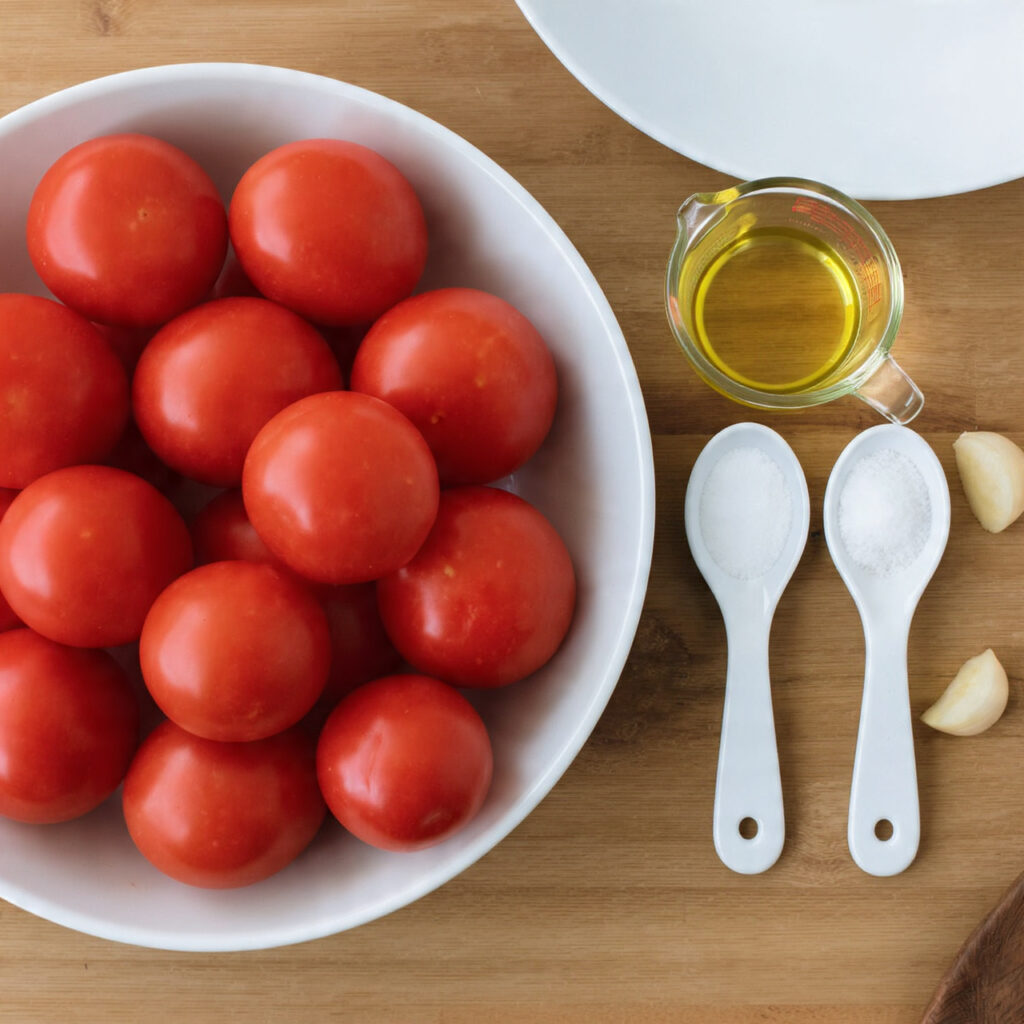
The beauty of tomato paste is in its simplicity. Here’s everything you’ll need:
- Roma Tomatoes: 5 pounds These are the best for paste due to their low water content and rich flavor.
- Olive Oil: 2 tablespoons Adds richness and helps with the cooking process.
- Salt: 1 teaspoon Enhances the natural sweetness and flavor of the tomatoes.
- Sugar: 1 teaspoon (optional) Balances acidity if your tomatoes are overly tart.
- Garlic: 2 cloves (optional) Adds a mellow depth to the paste if desired.
Ingredient Substitutions
Ran out of something? No problem.
Roma Tomatoes: San Marzano or any meaty variety works too.
Olive Oil: Any neutral oil like avocado or grapeseed.
Salt: Sea salt or kosher salt both work fine.
Sugar: Leave it out or replace with a pinch of baking soda to reduce acidity.
Garlic: Use roasted garlic for a sweeter flavor or skip altogether.
Ingredient Spotlight
Roma Tomatoes: Their low moisture and high flesh content make them ideal for thick, flavorful paste.
Olive Oil: Not just for cooking, it adds body and helps preserve the paste’s flavor and texture.
Instructions for Making How To Make Tomato Paste
Homemade tomato paste might sound like a big task, but it’s honestly just slow magic in a pot. Here’s how to do it, step by step.
1. Preheat Your Equipment:
If using an oven to reduce the paste, preheat to 250°F (120°C).
2. Combine Ingredients:
Rinse and roughly chop the tomatoes. Place them in a large pot with the olive oil, salt, and optional garlic and sugar. Cook over medium heat until softened, about 20 minutes.
3. Prepare Your Cooking Vessel:
Once soft, blend the tomatoes using a blender or food processor until smooth. Strain through a food mill or fine mesh sieve to remove seeds and skins.
4. Assemble the Dish:
Return the strained purée to a clean pot or spread it onto a baking sheet if oven-reducing.
5. Cook to Perfection:
Simmer on low heat, stirring occasionally, for 2 to 3 hours on the stove, or roast in the oven for 3 to 4 hours, stirring every 30 minutes, until it becomes thick and deep red.
6. Finishing Touches:
Taste and adjust salt. Let cool slightly, then transfer to jars or containers.
7. Serve and Enjoy:
Use immediately or store for later. Add a spoonful to your next sauce, soup, or pizza for a big flavor boost.
Texture & Flavor Secrets
Tomato paste is all about concentration. As the liquid cooks out, the flavor intensifies into a tangy, slightly sweet, umami-rich powerhouse. The texture should be thick, spreadable, and almost jam-like with a glossy finish and a deep red color.
Cooking Tips & Tricks
This process is simple, but these tips can help you nail it every time:
- Stir frequently in the last hour to avoid burning.
- Use a wide pan to allow quicker evaporation.
- Freeze paste in ice cube trays for easy portioning.
- A splash of vinegar can add brightness if needed.
What to Avoid
Keep an eye out for these common slip-ups:
- Using watery tomatoes: Choose fleshy types for better yield and flavor.
- Skipping the straining step: Seeds and skins can ruin the texture.
- Cooking too fast: High heat can burn the paste before it’s ready.
- Not storing properly: Use airtight containers to keep it fresh.
Nutrition Facts
Servings: 12 tablespoons
Calories per serving: 30
Note: These are approximate values.
Preparation Time
Prep Time: 20 minutes
Cook Time: 3 hours
Total Time: 3 hours 20 minutes
Make-Ahead and Storage Tips
Tomato paste is the ultimate make-ahead ingredient. Store in airtight jars in the fridge for up to 2 weeks or freeze in tablespoon portions for up to 6 months. Reheat gently or stir directly into hot dishes.
How to Serve How To Make Tomato Paste
Scoop a spoonful into pasta sauces, soups, stews, or rice dishes. Use it as a pizza base or blend into dressings and marinades. Try spreading a bit on toast with olive oil for a Mediterranean snack.
Creative Leftover Transformations
Got a little left in the jar? Turn it into:
- A quick tomato vinaigrette.
- A savory tomato butter for bread.
- An intense base for bloody mary mix.
- A glaze for roasted veggies.
Additional Tips
- Roast your tomatoes for extra depth before puréeing.
- Add herbs like thyme or oregano during the simmer for custom flavor.
- Always label and date your storage jars.
Make It a Showstopper
Serve it in a beautiful jar tied with twine as a gift, or spoon into a small bowl for dipping at dinner parties. A swirl of olive oil on top adds shine and elegance.
Variations to Try
- Garlic & Herb Paste: Simmer with rosemary, thyme, or basil.
- Spicy Paste: Add crushed red pepper or a dash of cayenne.
- Smoky Paste: Stir in smoked paprika or char-grilled tomatoes.
- Sun-Dried Boost: Mix in chopped sun-dried tomatoes for extra umami.
- Roasted Veggie Paste: Blend in roasted red peppers or carrots.
FAQ’s
Q1: Can I use cherry tomatoes instead of Roma?
Yes, but expect a longer cooking time due to their higher water content.
Q2: Do I have to remove the seeds and skins?
Yes, it makes for a smoother, more concentrated paste.
Q3: Can I freeze tomato paste?
Absolutely. Freeze in tablespoon portions for easy use.
Q4: Is homemade paste stronger than store-bought?
Yes, it’s typically more flavorful and less diluted.
Q5: Can I make this without added oil?
Yes, but oil helps enhance flavor and texture.
Q6: What’s the best way to store it long-term?
Freeze it in silicone molds or airtight containers.
Q7: Can I pressure can tomato paste?
You can, but always follow USDA safety guidelines for canning.
Q8: How long does it last in the fridge?
Up to 2 weeks in an airtight container.
Q9: Why is my paste too runny?
It needs more cooking time to reduce moisture.
Q10: Can I double the recipe?
Yes, just use a larger pot and extend the cooking time slightly.
Conclusion
Making tomato paste from scratch might take a little time, but it’s worth every minute. The flavor is bold, the texture luxurious, and the possibilities are endless. Whether you’re stirring it into sauces or spreading it on toast, this homemade version adds that extra something special. Trust me, you’re going to love this.
Print
How To Make Tomato Paste
- Prep Time: 20 minutes
- Cook Time: 3 hours
- Total Time: 3 hours 20 minutes
- Yield: About 12 tablespoons
- Category: Condiment
- Method: Simmering or Roasting
- Cuisine: Mediterranean
- Diet: Vegan
Description
Rich, thick, and bursting with real tomato flavor, this homemade tomato paste is a kitchen essential. Perfect for sauces, soups, and beyond, it’s a flavor booster that’s easy to make and store.
Ingredients
- 5 pounds Roma Tomatoes
- 2 tablespoons Olive Oil
- 1 teaspoon Salt
- 1 teaspoon Sugar (optional)
- 2 cloves Garlic (optional)
Instructions
- Preheat oven to 250°F (if using oven method).
- Rinse and roughly chop tomatoes. Add to a large pot with olive oil, salt, and optional garlic and sugar.
- Cook over medium heat until tomatoes soften, about 20 minutes.
- Blend softened tomatoes, then strain through a food mill or fine mesh sieve to remove skins and seeds.
- Return purée to a pot or spread onto a baking sheet if using oven.
- Simmer on low for 2–3 hours or roast for 3–4 hours, stirring occasionally, until thick and deep red.
- Adjust salt, cool slightly, and transfer to containers.
- Use immediately or store for later.
Notes
- Use the ripest, most flavorful tomatoes you can find for the best results.
- Freeze in tablespoon portions using an ice cube tray for easy use.
- Add herbs or spices during cooking for custom flavors.
Nutrition
- Serving Size: 1 tablespoon
- Calories: 30
- Sugar: 2g
- Sodium: 100mg
- Fat: 1g
- Saturated Fat: 0g
- Unsaturated Fat: 1g
- Trans Fat: 0g
- Carbohydrates: 4g
- Fiber: 1g
- Protein: 1g
- Cholesterol: 0mg